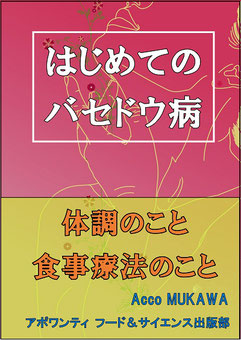
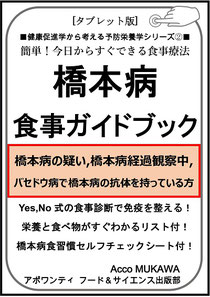
Hashimoto’s disease is a disorder affecting the thyroid gland which is a small gland on the bottom of your throat, below the Adam’s apple. The thyroid gland is a very important part of the endocrine system, and the hormones generated by this gland regulate a wide array of bodily activities. If you’re suffering from Hashimoto’s disease, your immunological system is basically attacking the thyroid gland. Hashimoto is closely linked with stress mostly because of the latest studies which have proven the significant effect of stress on the gland itself. Once this happens, your thyroid gland suffers from inflammation, followed by a weakened functionality. This causes a condition also known as hypothyroidism. People who are most exposed to this condition are women in their golden age but it’s possible for this condition to appear with any sex at any age.
Symptoms of Hashimoto’s disease
Hashimoto’s disease doesn’t express itself equally with all patients, but the most prominent and visible symptoms are in fact common. The disease slowly develops over a couple of years and if you don’t attend to it, you can suffer a critically low thyroid gland efficiency which can cause an unpredictable amount of damage. This also leads towards a fall in the hormonal level in blood. Other than that, there are dozens of common symptoms like exhaustion, pale and dry skin, and oversensitivity towards cold, constipation, weight gain and bluntness. Some less characteristic symptoms are mostly based on psychological aspect – some people suffer from improved depression, menstrual cycle tends to last longer, voice tone gets deeper etc. In case you do not treat this disease, the symptoms become gradually more apparent and in the later stage the thyroid gland itself grows in size which can be noticed as a lump on the neck.
Treating Hashimoto’s disease with diet?
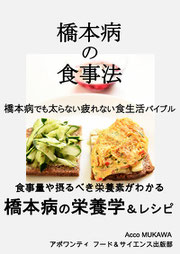
Contrary to the general belief, you don’t actually need to go under special hashimoto’s disease diet programs. A healthy diet means that you eat enough fruit and vegetables as well as high valued protein. It’s important to eat healthy meals with a lot of vegetables and use wholegrain groceries as well. If your diet is bad in general, you can safely check out some of the hashimoto’s disease diet programs, there are many different variations online and in general represent a good balance for your new diet. Treating Hashimoto’s disease is basically done by using medications that can replace the lacking hormones as well as periodical checkups of the hormonal state in the blood so that the dosage can be regulated.
Synthetic hormones
At a later stage of the disease a possible solution for treating the lack of hormones is to use synthetic hormones. They have the same exact effect on the body as the natural ones and are taken orally. A common start with this particular therapy is to use a 25 microgram dosage of levothyroxine. Treatment with this kind of therapy usually lasts for a lifetime. Periodically, the dosage is adapted by taking analysis of the hormonal status.